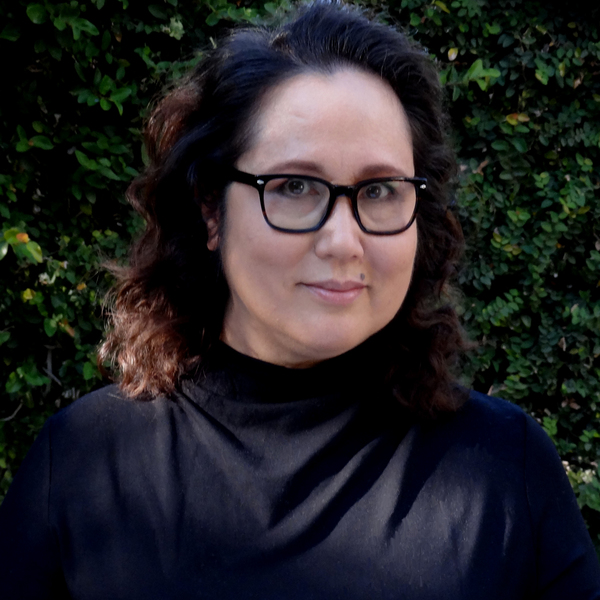
Poster design Curious Sky. Photo Adele Prandini

Poster design Curious Sky. Photo Adele Prandini

Logline

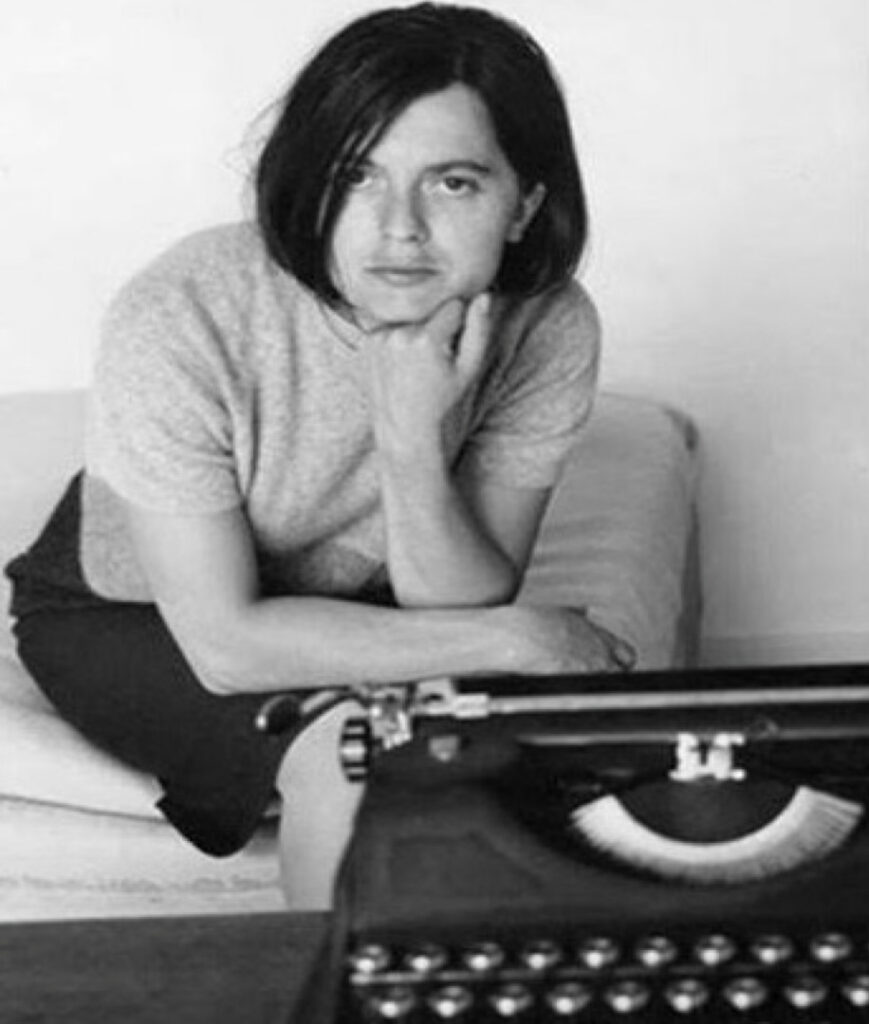
Monique Wittig, a pioneering writer, activist, and “founder of non-binary thought,” revolutionized how we understand gender, language, and power. Declaring “heterosexuality is a political regime,” she challenged societal foundations and sparked global debate. Wittig, Yes! a feature documentary directed by Sande Zeig, Wittig’s partner of 30 years, captures her enduring influence as a new generation rediscovers her as a visionary far ahead of her time.

About Monique Wittig

Acclaimed writer and lesbian feminist icon Monique Wittig is hailed as the  founder of “nonbinary thought.” She was one of the co-founders of the Women’s Movement in France and was awarded the Prix Médicis for her first novel, The Opoponax. Decades ahead of her time, beginning in the 1960’s, Wittig integrated innovative non-gendered pronouns into her writing.

Stating that “heterosexuality is a political regime,” a sex class system standing in the way of equity for everyone, Wittig was often misunderstood. Her lesbian point of view received such fierce resistance in feminist groups that it forced her to leave the movement she helped to create.  This drove her to move to the United States with her  life partner, Sande Zeig.

In recent years, a fervent interest in Wittig’s work is having an inevitable resurgence including the city of Paris dedicating a garden to her memory. The Monique Wittig Papers are now available at the Beinecke Rare Book & Manuscript Library at Yale University.

Synopsis

Called “the founder of non-binary thought” by filmmaker and activist Paul B. Preciado, and “the best writer anywhere of her generation” by Mary McCarthy, Monique Wittig was a groundbreaking writer, feminist, and philosopher whose ideas were far ahead of their time. A founding figure of the Women’s Movement in France, she won the prestigious Prix Médicis for her debut novel The Opoponax and went on to reshape how language, gender, and power could be understood.

Beginning in the 1960s, Wittig challenged traditional ideas of gender in both her writing and her activism, experimenting with non-gendered language decades before it entered mainstream conversation. Stating that “heterosexuality is a political regime”, a system that shapes power, access, and opportunity, Monique Wittig challenged the very foundations of gender and society. Her ideas were bold, influential, and often polarizing, placing her at the center of intellectual and political debate.

Her unwavering push for lesbian inclusion within the Women’s Movement ultimately led to her being pushed out of the very movement she helped build. Wittig later moved to the United States with her lifelong partner, filmmaker Sande Zeig, where she continued to write, teach, and collaborate, expanding her work across literature, theater, and film.

Though her work was overlooked in France for a time, Wittig’s influence has surged in recent years. A new generation of artists, scholars, and activists has rediscovered her writing, forming a growing global community committed to preserving and advancing her legacy. Today, Monique Wittig is finally being recognized for what she always was: a radical visionary whose work fundamentally transformed how we think about gender, language, and heterosexuality. In 2022, the city of Paris honored her with the opening of the Monique Wittig Garden.

Wittig, Yes! is a feature documentary directed by Sande Zeig, Wittig’s partner of 30 years. Traveling across the globe, Zeig weaves together personal memories with reflections on Wittig’s life and work. The film features readings and performances, including from acclaimed actresses Adèle Haenel (Portrait of a Lady on Fire) and Anna Mouglalis (Coco Chanel & Igor Stravinsky), alongside interviews with those whose lives have been transformed by Wittig’s ideas, bringing her voice vividly into the present moment.
Sande Zeig & Monique Wittig Love at First Sight

In 1974, Sande Zeig went to Paris to study mime with Etienne Decroux, the teacher of Marcel Marceau. Zeig taught self-defense classes for the Revolutionary Feminists. At one of their meetings, Monique Wittig was engaged in a provocative discussion with comments firing back and forth.  Zeig describes the life-changing moment when she saw Wittig for the first time: “My heart stopped beating when I saw her. I knew I had come to Paris to meet her. In 1975, we began our lifelong love.”

Monique Wittig According to Contemporary Experts

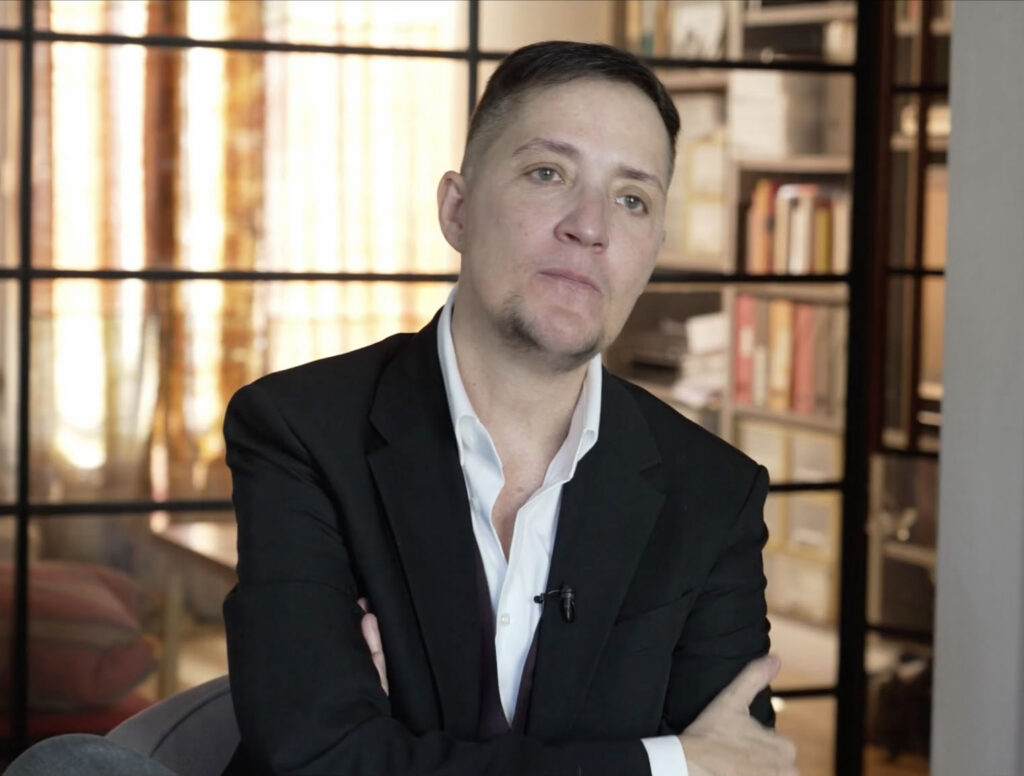
Monique Wittig’s impact is indelible for those whose lives she has touched with her literary and political writings. Trans-activist, philosopher, and filmmaker Paul B. Preciado exclaims, “To me she is the founder of non-binary thought.”

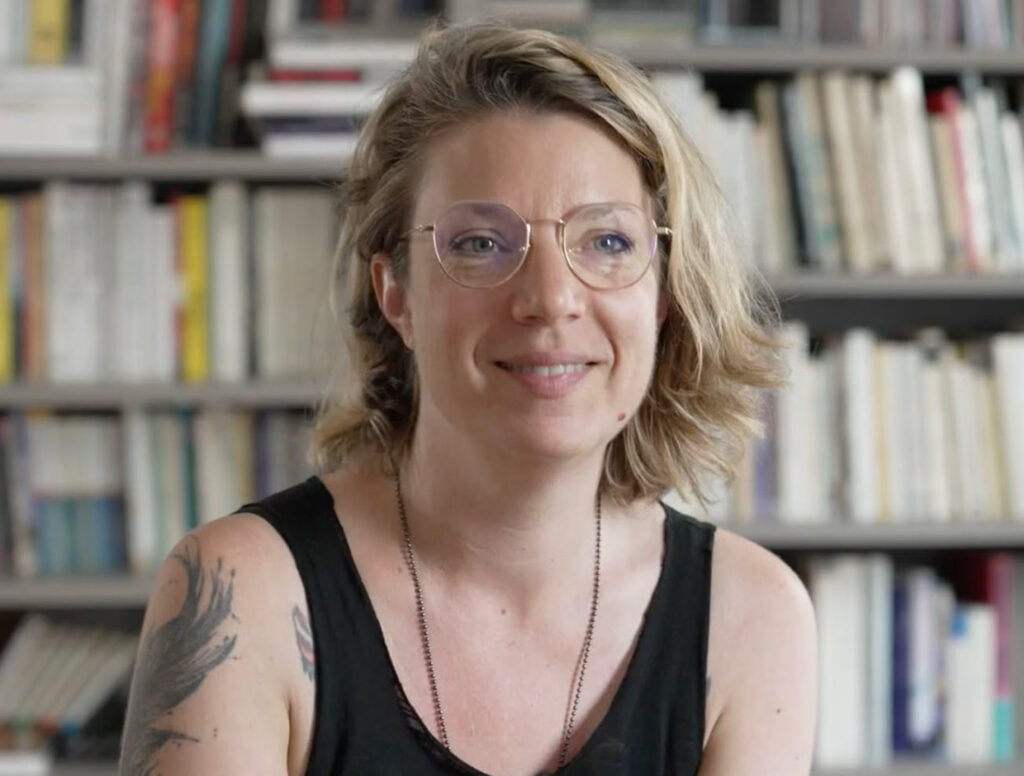
The dynamic, young writer Wendy Delorme declares, “Wittig has changed my life and given me a different outlook on the world.” When young people read her work today, they too feel its power. This is vividly expressed in graffiti on a wall in Rennes, France: “Monique Wittig saved me.”

Experts in Wittig’s work explore her core ideas on gender and heterosexuality. These interviews are interspersed with archival footage of Monique Wittig speaking with passion and insight about her journey as a writer.

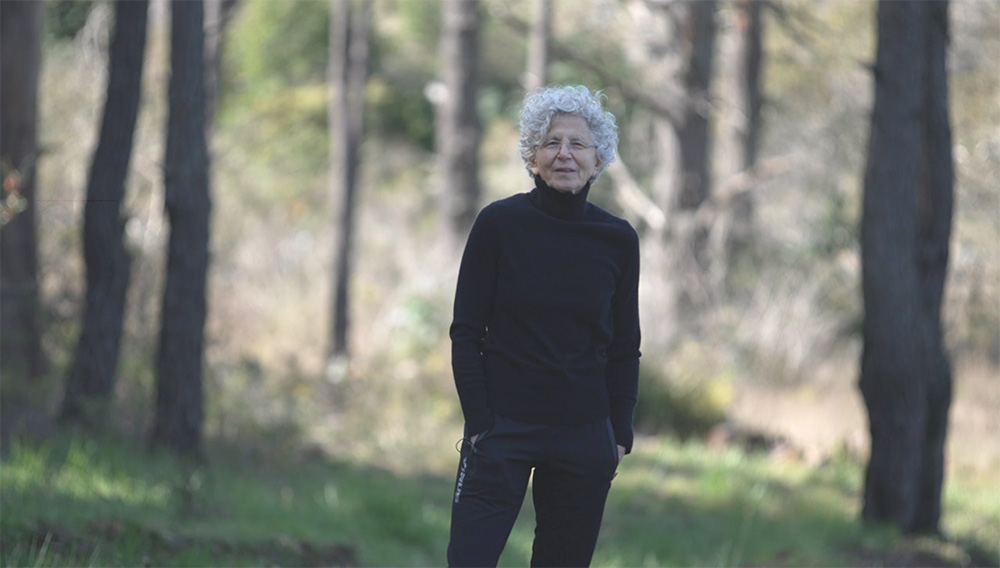
Sande Zeig, walking on a beach in Northern California where they lived together, says, “To me, she was Théo – my love, my life partner and collaborator for almost 30 years.”

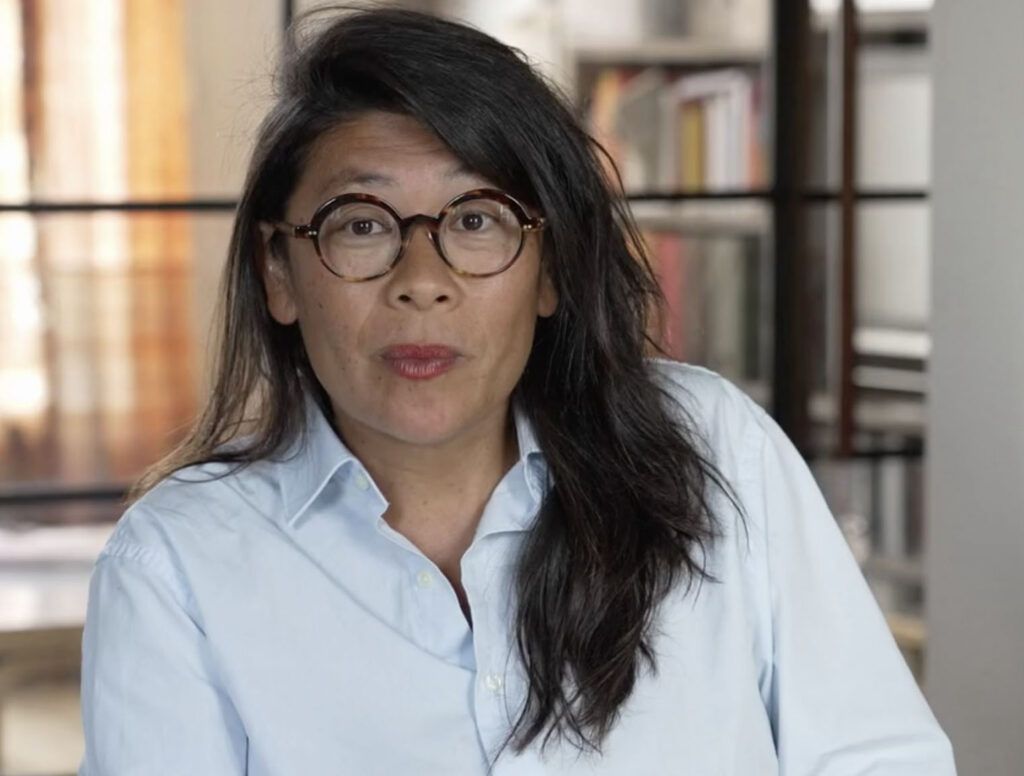
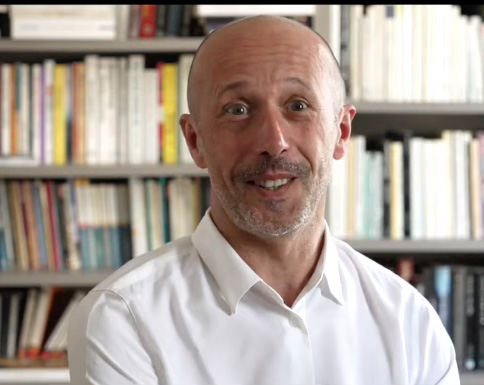
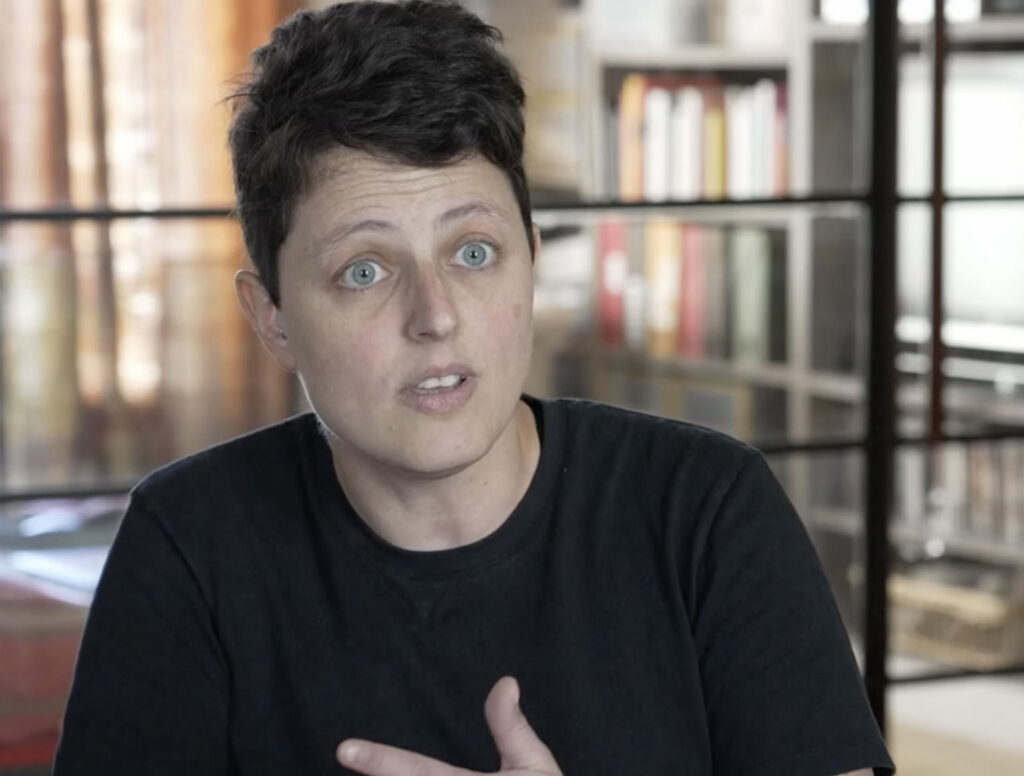
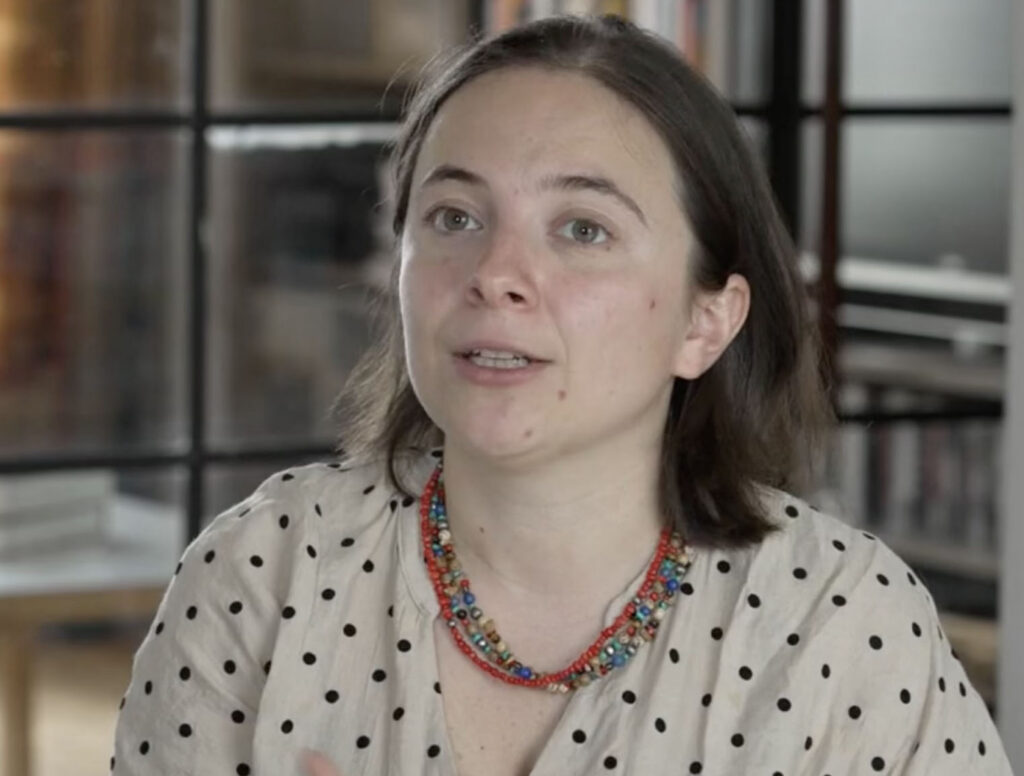
Paul B. Preciado
Wendy Delorme
Agnès Vannouvong
Yannick Chevalier
Ilana Eloit
Sandra Daroczi

Visual Components

Wittig, Yes! employs three visual components:

Filmed Segments

Excerpts from Monique Wittig’s novels are read by acclaimed French actress Anna Mouglalis.

Archival Images

Wittig’s and Zeig’s personal archive of letters, notes, and photographs; the Wittig collection at the Beinecke Rare Book and Manuscript Library at Yale University; French television archives; and archives from the French Women’s Movement, including demonstration footage at Centre Simone de Beauvoir.

Interviews

Academics and artists including Monique Wittig’s niece Dominique Samson Wittig; writer Émilie Notéris; independent scholar Sara Garbagnoli; translator Deborah Ardilli, activist Suzette Robichon, choreographer Gisèle Vienne, actresses Adèle Haenel and Anna Mouglalis, and composers Lucie Antunes and P.R.2B.

Director Statement

I lived and worked alongside Monique Wittig for nearly thirty years, our lives, creative practices, and political commitments deeply intertwined. This film begins there, in both intimacy and urgency. Wittig did not simply write books, she challenged the very structures of language, gender, and power. She once described radical work as a “war machine” designed to dismantle old forms, and that idea has guided me in bringing her voice to the screen.

More than two decades after her death, Wittig’s thinking is not only relevant, but essential. A new generation of artists and thinkers are rediscovering her work, using it to question identity, liberation, and the systems that shape our lives. Wittig, Yes! is both a personal and political film, an attempt to make her ideas felt, not just understood. Through archives, performances, and contemporary voices, I wanted to create a cinematic experience that carries forward her vision, her provocation, and her insistence that another world can be imagined.

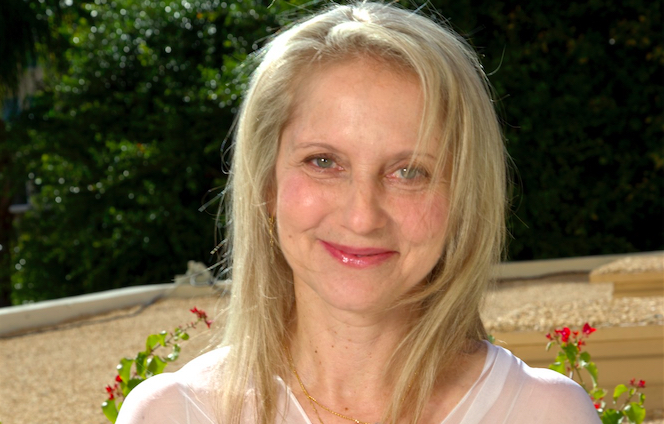
Photo by Adele Prandini

Our Crew

Sande Zeig- Director & Producer

Sande Zeig has directed and produced seven films including Central Park, premiered at the Sundance, 1994; The Girl, based on a story by Monique Wittig, 2001, premiered at the Toronto and Berlin Film Festivals;  Soul Masters, 2008; Apache 8, broadcast  on PBS, 2011; Sister Jaguar’s Journey, 2015;  The Living Saint of Thailand, 2019; and Firelighters: Fire Is Medicine broadcast on PBS November 2024. 

Zeig collaborated with Monique Wittig on a book, a play, and a film.

Sophie Faudel, Line Producer

Sophie Faudel founded Mélisande Films, a production company that strives to stay as close as possible to the films themselves. Among the films she has produced are Dea Gjinovci’s Reveil sur Mars, Tahiti les jours du retour, J’ai rendez-vous avec un abre, Quelques notes sur la liberté by Benjamin Delattre, Entretiens silencieux by Jackie Bastide, and Shoah: Les oubliés de l’Histoire by Veronique Lagoarde-Seégot.

George Lechaptois, Director of Photography

Originally from Chile, Lechaptois moved to France in 1983 to attend the Louis-Lumière school. Lechaptois’s more than 60 credits include Rebecca Zlowtowski’s Other People’s Children, 2022; André Téchiné, Les Pieds Sur Terre by 2022;  Matthieu Roze’s Azuro, based on the book by Marguerite Duras, 2022; and André Téchiné’s Soul Mates, 2023.

Jillian Moul, Producer & Editor

Jillian Moul is a Primetime Emmy Award nominee and a member of the American Cinema Editors. She edited the feature documentary Fame High with Oscar-nominated director Scott Hamilton Kennedy and three feature films with director Jon M. Chu for Paramount, Universal, Blumhouse and Open Road. Moul was lead editor on L Word Mississippi: Hate the Sin, a documentary that won the GLAAD Award for Outstanding Documentary.

Wendy Blackstone, Composer

Wendy Blackstone is an award-winning composer. Wendy has scored over 140 films and TV shows, ten of which have won or been nominated for an Academy Award. She is the first woman signed to CAA and one of the first women invited to the music branch of the Academy of Motion Pictures Arts and Sciences.

Make a Donation